
Tracing Hancock County’s Former Owners
Every parcel in Hancock County carries a chain of deeds, and that chain runs backward from the most recent transfer to the oldest recorded book. The county clerk dates the records to the early 1850s. Online access is far newer, though. CCLIX hosts the digital index and images, and its coverage starts much later. Keep two cutoffs in mind: one for the index, a separate one for images.
| Source | Years It Covers | Where Held | What It Shows |
|---|---|---|---|
| CCLIX deed index | Back to 1979 | Online account or clerk counter | Indexed deed parties and references. |
| Online instrument images | Most from Jan. 2004 to current | Assigned CCLIX account; fees apply | Scanned filed instruments. |
| Mortgage index | Back to 1971 | Clerk index, office or online access | Mortgage-party trail, separate from deeds. |
| Deed books and microfilm | Older county records; county run begins early 1850s | County Clerk office | Earlier conveyances and supporting references. |
Start a former-owner search with the online deed index. Work back one transfer at a time. When an entry predates the online images, copy the name, date and book reference. Send it to the clerk. Older transfers may live in a deed book, a printed index or a microfilm reel instead. Ask which one holds the record you need. A directory or obituary can point to a past owner of record. Treat it only as a lead. The land record itself settles who held title.
Hancock County Index and Image Cutoffs
Hancock County property records online have three separate starting points. The clerk indexes deeds back to 1979 and mortgages back to 1971. Images are newer still. Most online instrument images run from January 2004 to the present. So a former owner may show up in the index with no image attached. A mortgage search can also reach further back than a deed search. Those gaps are normal for this system. The Legal Records page lays out online access, the fees and what older material exists in the office. Viewing is free at the clerk's counter for public indices and documents. Online images work differently: they need an assigned account, special software and access fees. That distinction explains a missing image link or a search that stalls at home. Check the clerk's current coverage and image-access terms.
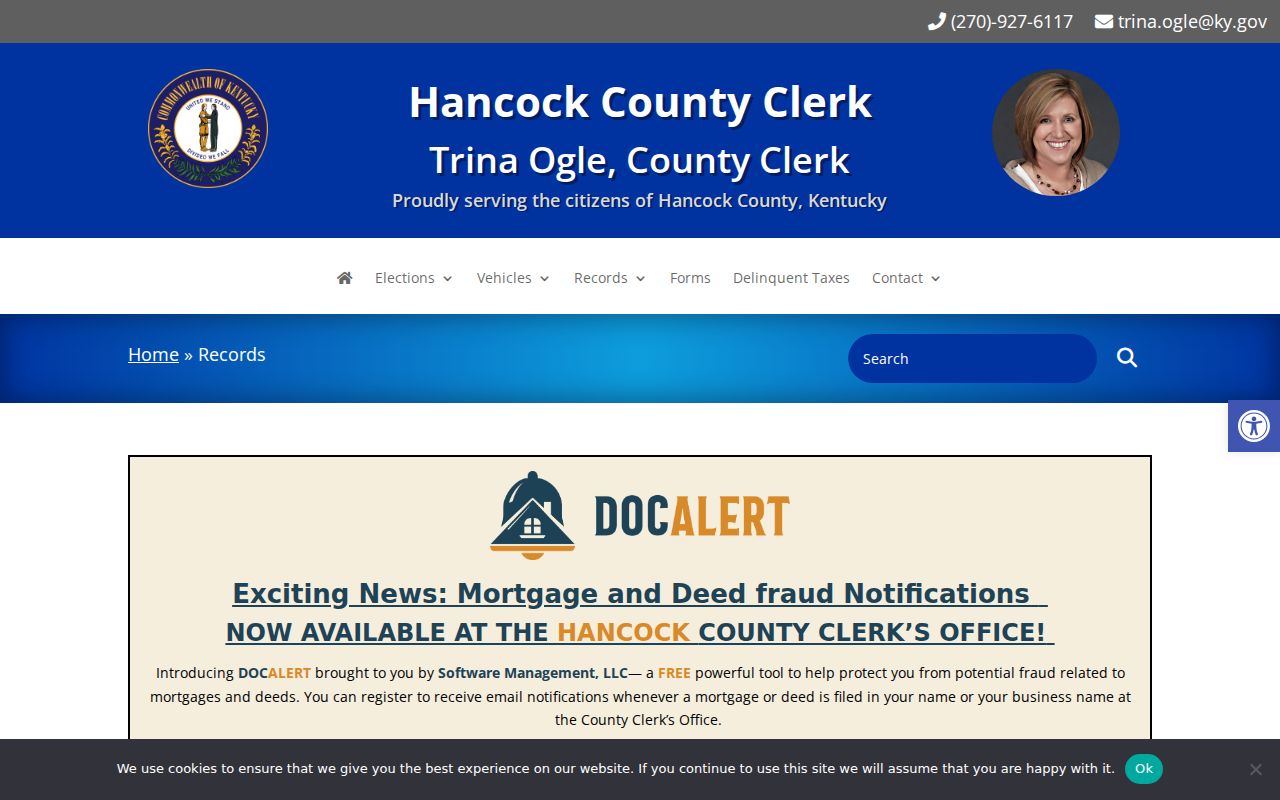
When the online record ends, the trail does not. The next step is a deed book or microfilm reference held by the clerk, not a guess from the street address.
Walking a Hancock County Deed Chain Backward
Every transfer adds a step to the former-owner timeline. Walk the chain backward one deed at a time. Check the legal description at each step so the instrument still covers the same land. A parent tract can split into several parcels. A later deed may describe only one piece of it. Note the date, the parties, the instrument class, and the book/page as you go. An auditable trail is the whole point of a deed search.
| Transfer point | Grantor → Grantee | Instrument | Reference |
|---|---|---|---|
| Latest deed | Prior owner → present grantee | Conveyance or estate transfer | Record from current parcel search. |
| Prior acquisition | Earlier owner → prior owner | Earlier conveyance | Search prior grantee as recipient. |
| Older land record | Continue party roles backward | Book-era deed or related filing | Use clerk index, book or microfilm. |
- Find the current parcel’s newest deed by party name or book/page.
- Copy the grantor, grantee, date and full land description.
- Search the grantor as an earlier grantee and locate that party’s acquisition deed.
- Repeat while the descriptions match, noting any split or estate event.
- Move to clerk books or microfilm when the chain predates online coverage.
- Grantor
- The party who transferred the interest.
- Grantee
- The party who received the interest.
- Chain of title
- The ordered conveyance history for the same land.
- Legal description
- The written land identity, often more durable than an address.
Hancock County Address Changes and Splits
Older Hancock County deeds rarely match a modern street address. They lean on streams, roads, farms, and named tracts instead. Roads get renamed. Streets get renumbered. Parcels get divided. When any of that happens, the earlier instrument is easier to find by owner, book/page, district/map/parcel, or legal description. Today's address string is less reliable.
An assessment result ties a root parcel ID to its district, map, parcel, and subparcel parts. Keep the full key. Compare it against the deed description. In a split, the state assessment page notes that new parcel lines wait on county submission and the yearly state update. The tax roll may show the resulting pieces. The old deed still describes the parent tract.
Estate Events in a Hancock County History
Probate can interrupt a clean seller-to-buyer chain. Several documents can explain a changed owner of record. A will, a fiduciary's appointment, an executor or administrator deed, an affidavit of heirship, a partition, a sale order, or a deed from heirs may all be the reason. The assessor may keep showing a decedent, an estate, a trust, or a fiduciary. It lingers until a recorded transfer and roll update. When an estate's authority matters, read the probate file and the land instrument together.
Vital records carry restrictions. West Virginia generally opens birth records after 100 years. Death, marriage, and divorce records open after 50, while confidential details stay protected. Hancock's clerk reports that records began in the early 1850s and offers a copy route. Later birth and death certificates sit mostly in Brooke County, though, since the hospital relocated. Certificates build context; they do not transfer title. West Virginia's vital-record law sets the public-opening periods and guards sensitive sections. The statute helps you separate open records from protected material. The statute clarifies where access ends for sensitive sections.
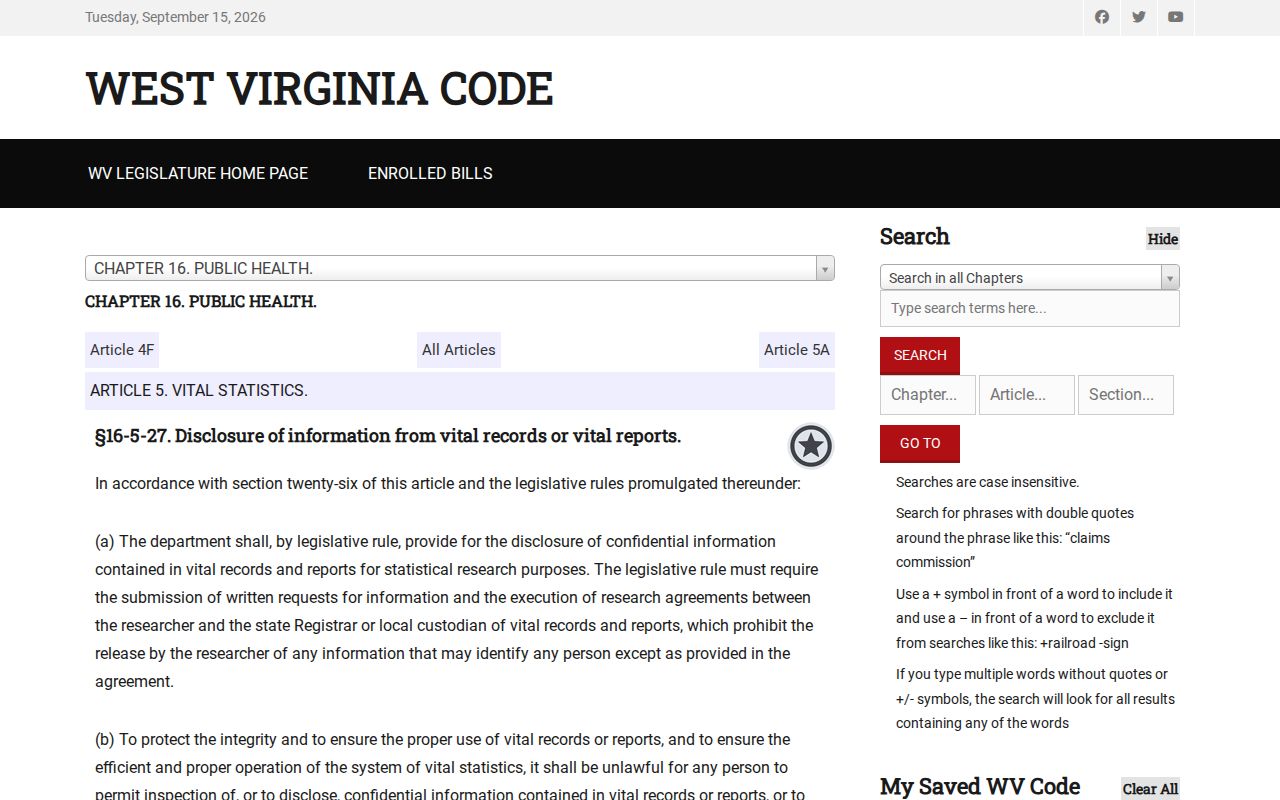
The deed or court order remains the title link. Use a certificate only for the lawful historical question it can answer.
Hancock County Books and Archive Leads
For older Hancock County deed material, the County Clerk's counter remains the primary route. Microfilm is a key route too. The West Virginia Division of Culture and History is a useful starting point. The FamilySearch catalog is useful as well. Neither source guarantees a full run of digitized deed books for Hancock County. When you ask staff for help, request the deed book. Ask for the index volume or reel tied to your date and party. A catalog hit alone does not promise a complete deed image.
County and local-history collections can also place a former resident at an old street address. Newspapers may point to heirs. Obituaries may point to a move across the Ohio or Pennsylvania border. Treat those leads as context, never as title proof. Confirm any name they surface in the clerk's recorded chain. Compare the property description before the name earns a spot in your history.
How Far Hancock County Owners Can Be Traced
Official county records begin in the early 1850s, according to the clerk, while the online index only reaches a few decades back. Former-owner research therefore has a deep historical floor. Not everything is digitized. A full chain of title may still require older books at the courthouse, since the web tools cover only the newer slice of the record.
Lawful use. Former-owner research supports property history, title work and due diligence. Do not use a past owner’s name or address to track or harass a living person.
Work Backward Without Losing the Parcel
Start with the current assessor parcel and the most recent deed. The grantee named there becomes your next link. Work that name backward. In the earlier deed, the same person or entity should show up as the grantor, though the spelling may shift with initials, marriage, an estate, or a business form. Log each instrument's date, book and page or instrument number, parties, and legal description. The legal description is your anchor. It shows whether an older deed covers the same tract rather than some other land tied to that owner.
For every transfer, note what the instrument actually conveys. A partition, executor's deed, trust conveyance, or mortgage release may sit in the land records but answer a different question than a standard sale deed. A mortgage does not transfer ownership. A release only marks a secured debt as satisfied. When an instrument type is unfamiliar, ask the County Clerk for help with the index terms.
Online coverage varies by record type. The CCLIX deed index reaches back to 1979. Mortgage indexing goes to 1971. Most document images start in January 2004. Because records date to the early 1850s, anything before those cutoffs may call for an in-office index, a deed book, or microfilm. The Clerk allows free in-person inspection. A requested paper copy carries the published page fee. Confirm which book or film covers your date before you visit.
Vital records can help separate people with the same name. Death, marriage, and divorce records carry their own access rules, and they are not title instruments. West Virginia opens birth records after 100 years and death, marriage, and divorce records after 50 years, with protected content still withheld. Never infer ownership from a vital record. Treat it as an identity clue only, and verify every transfer in the land record itself.